What exactly is PNC-27?
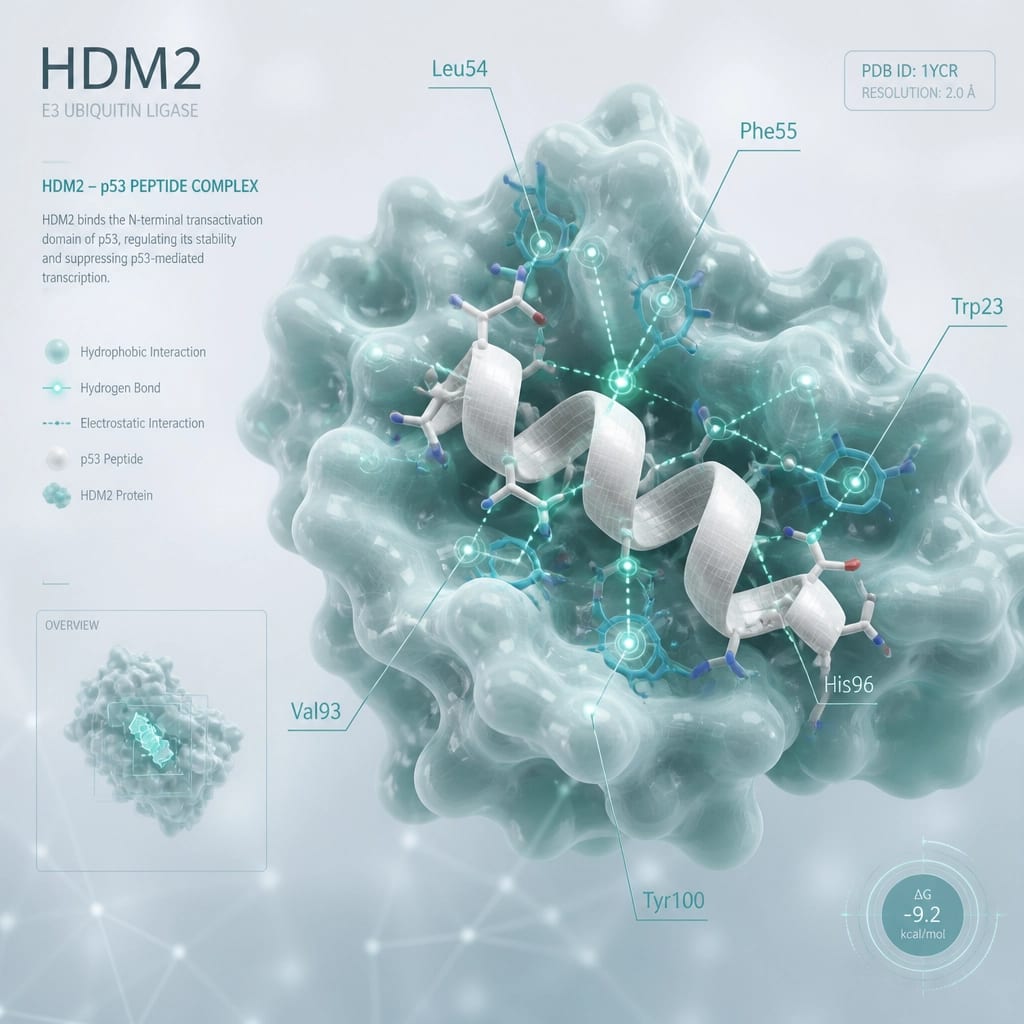
PNC-27 is a chimeric research peptide: essentially a high-tech “fusion” of two distinct sequences. It consists of a p53-derived HDM2-binding domain (specifically residues 12–26 of the p53 protein) coupled with a “penetratin” leader sequence.
To put it in layman’s terms, think of PNC-27 as a guided missile. The p53 portion is the “warhead” that knows exactly where to dock, and the penetratin sequence is the “engine” that allows it to interact with the cell’s protective outer shell.
The Science of “Scientific Luxury”
In a healthy body, p53 is the “guardian of the genome.” It’s a tumor-suppressor protein that tells damaged cells when to stop growing or when to pull the plug. However, in many C-ncer lines, this system is hijacked. A protein called HDM2 (or MDM2) binds to p53 and drags it off to be destroyed, allowing the rogue cells to multiply unchecked.
PNC-27 enters the fray by mimicking p53. It’s designed to bind with extreme affinity to HDM2. But here’s the kicker: it doesn’t just bind in the nucleus; it targets HDM2 where it shouldn’t be: on the cell’s surface membrane.
Selective Membrane Lysis: The “Pore” Truth
The most transformative aspect of PNC-27 research is its mechanism of action: selective membrane lysis.
Most traditional research compounds rely on internal signaling or apoptosis (programmed cell death) to neutralize cells. PNC-27 takes a much more direct, “physical” approach. It doesn’t wait for a signal; it creates a structural failure.
How the Mechanism Works:
- Target Recognition: Researchers have discovered that many malignant cell lines abnormally express the HDM2 protein right on their plasma membranes. Healthy cells do not do this.
- The Docking Phase: PNC-27 identifies these membrane-bound HDM2 “anchors” and latches on.
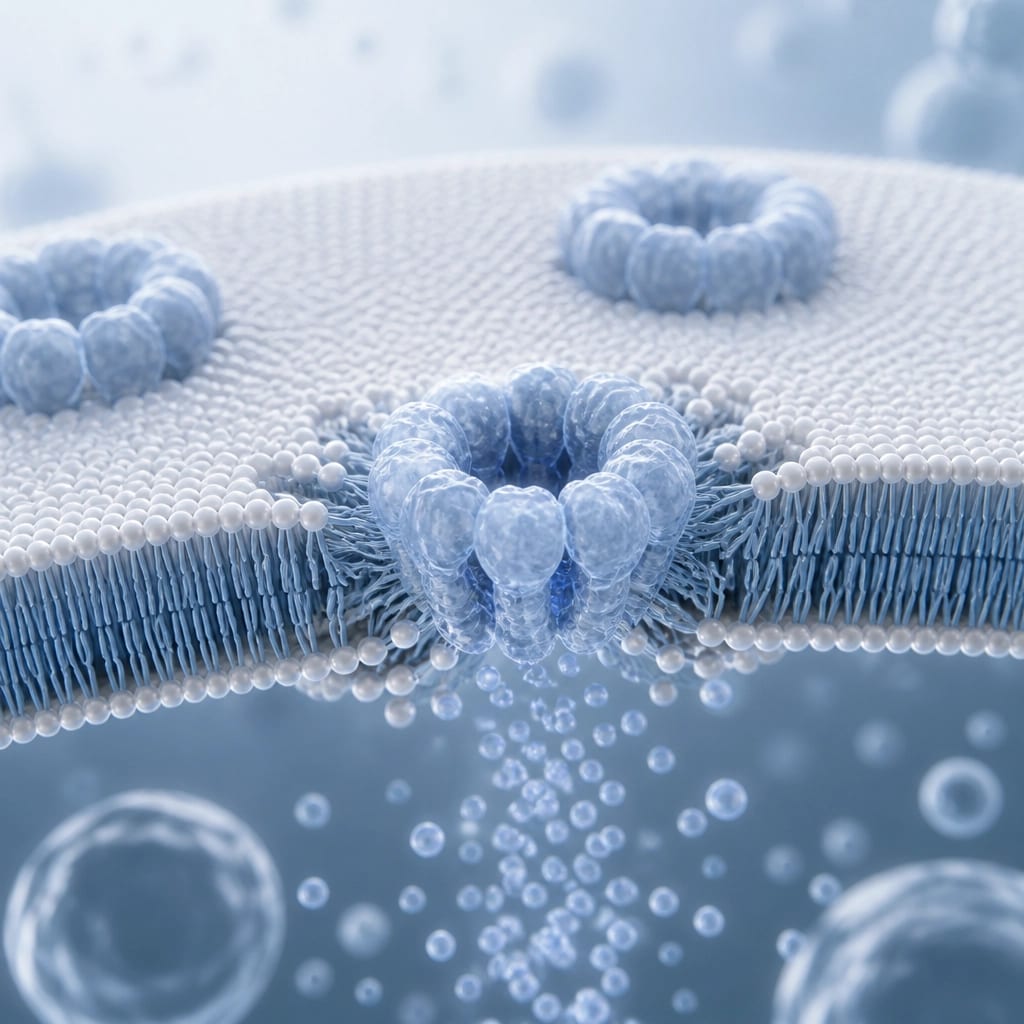
- Pore Formation: Once docked, the PNC-27/HDM2 complexes begin to cluster together. They assemble into ring-shaped structures known as transmembrane pores.
- The Lytic Event: These pores act like tiny holes in a balloon. They disrupt the integrity of the cell membrane, leading to rapid leakage of cellular contents and immediate necrotic death.
Because healthy cells lack that specific HDM2 “anchor” on their surface, the PNC-27 simply doesn’t stick. It floats right by, leaving the “good guys” unharmed. This level of selectivity is exactly why WLA is so focused on bringing this type of research data to our community.