The memory problem: learning is not the same as remembering
A common frustration is confusing exposure with learning. You may read the same material several times and still struggle to reproduce it later.
Think of your memory like a library:
- Encoding is the librarian receiving a new book.
- Consolidation is the process of cataloguing and shelving it.
- Recall is finding the correct book when you need it.
- Retention is whether the book remains available over time.
A compound may influence one part of this system without improving every part. For example, feeling alert does not automatically mean you are storing information effectively. Similarly, remembering a word list does not prove that a compound improves complex reasoning or long-term academic performance.
The solution is precision. When you read about PRL-8-53, focus on the specific outcome studied: verbal learning and retention: not every possible form of intelligence or performance.
What is PRL-8-53?
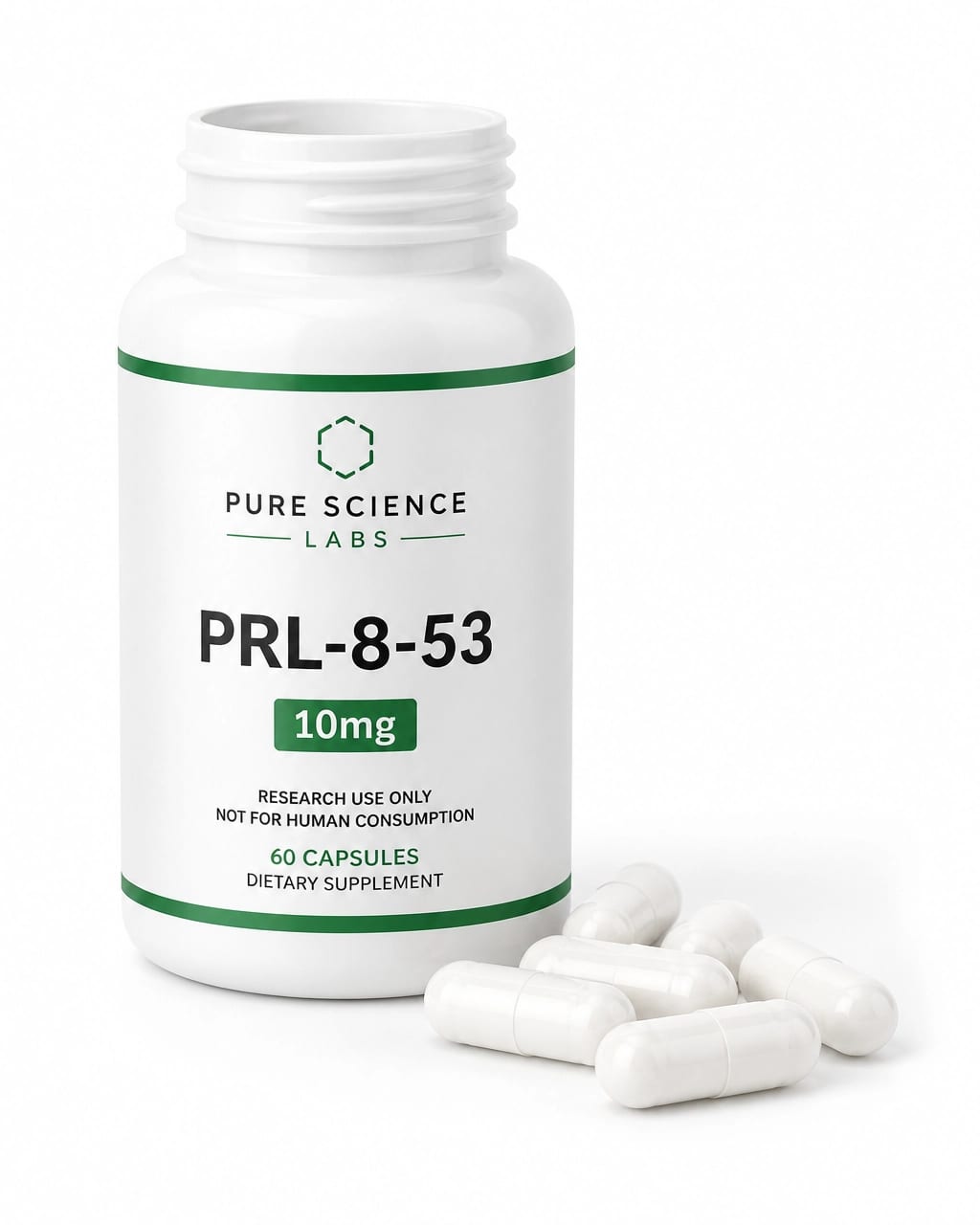
PRL-8-53 is the short name for 3-(2-benzylmethylaminoethyl) benzoic acid methyl ester hydrochloride, a synthetic investigational compound.
A nootropic is a substance investigated for possible effects on cognitive functions such as memory, attention, learning, or mental processing. The term does not mean that the compound is automatically safe, effective, or approved.
PRL-8-53 is often described as a targeted memory research compound rather than a broad stimulant. In practical terms, researchers are interested in whether it may help the brain retain newly presented verbal information.