
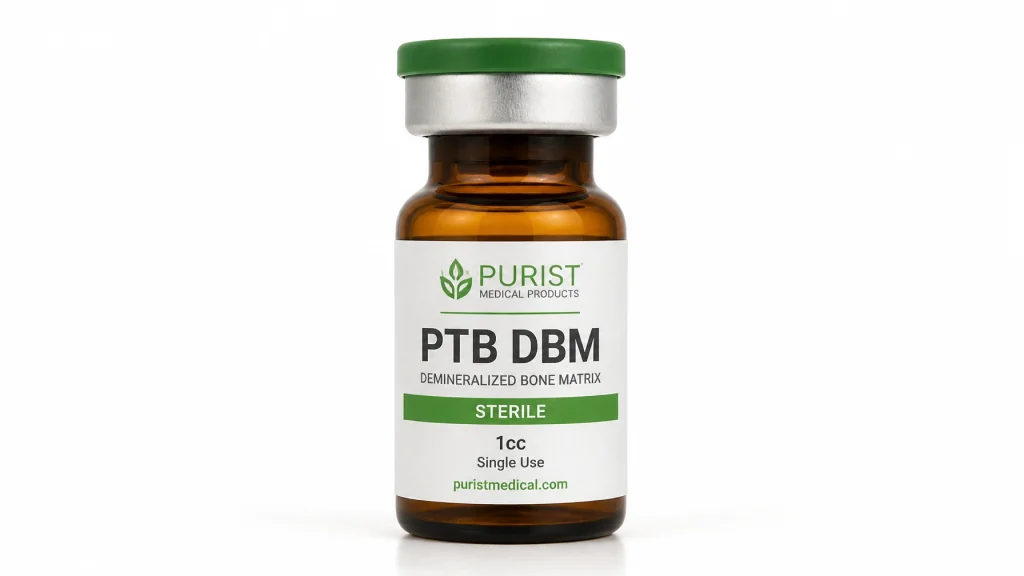
The Biological “Brake”: Understanding the Problem
To understand why you might need PTB DBM, you must first understand why your body stops regenerating in the first place. Consider the Wnt/β-catenin pathway. This is the cellular “power grid” responsible for stem cell activation, hair follicle cycling, and bone formation. When this grid is active, your body is in a state of growth and repair.
However, your biology has built-in “circuit breakers” to prevent overgrowth. One of the most significant inhibitors is a protein called CXXC5.
- The Conflict: CXXC5 binds to a protein called Dishevelled (Dvl).
- The Result: When they connect, it acts like a “brake” on the Wnt pathway. The power grid shuts down, and regeneration stops.
- The Frustration: For many, this “brake” stays engaged far longer than necessary, leading to the frustration of persistent hair thinning or sluggish recovery after injury.
If you are struggling with these issues, you are essentially dealing with a biological zipper that is stuck. PTB DBM is the tool designed to unstick it.
The Mechanism: How PTB DBM Acts as an “Override Key”
PTB DBM works through a process known as competitive inhibition. Imagine a lock (the Dishevelled protein) and a key that shouldn’t be there (CXXC5). As long as that “wrong” key is in the lock, the “right” signaling cannot occur.
PTB DBM acts as an override key. It is specifically engineered to mimic the binding site of CXXC5. When you introduce this peptide, it rushes to the Dishevelled protein and occupies the space before CXXC5 can get there.
Synergy and Signaling reactivation
By blocking the interaction between CXXC5 and Dishevelled, PTB DBM reactivates the Wnt/β-catenin pathway. You are effectively cutting the brake line and allowing the engine of regeneration to rev back up.
Focus on this: This isn’t just a temporary mask; it is a fundamental shift in cellular communication. By increasing the levels of β-catenin inside the cell, you are providing the green light for stem cells to begin proliferating once again.
[INSERT VIDEO PLACEHOLDER: The Science of Wnt/β-catenin Signaling and Tissue Repair]
