
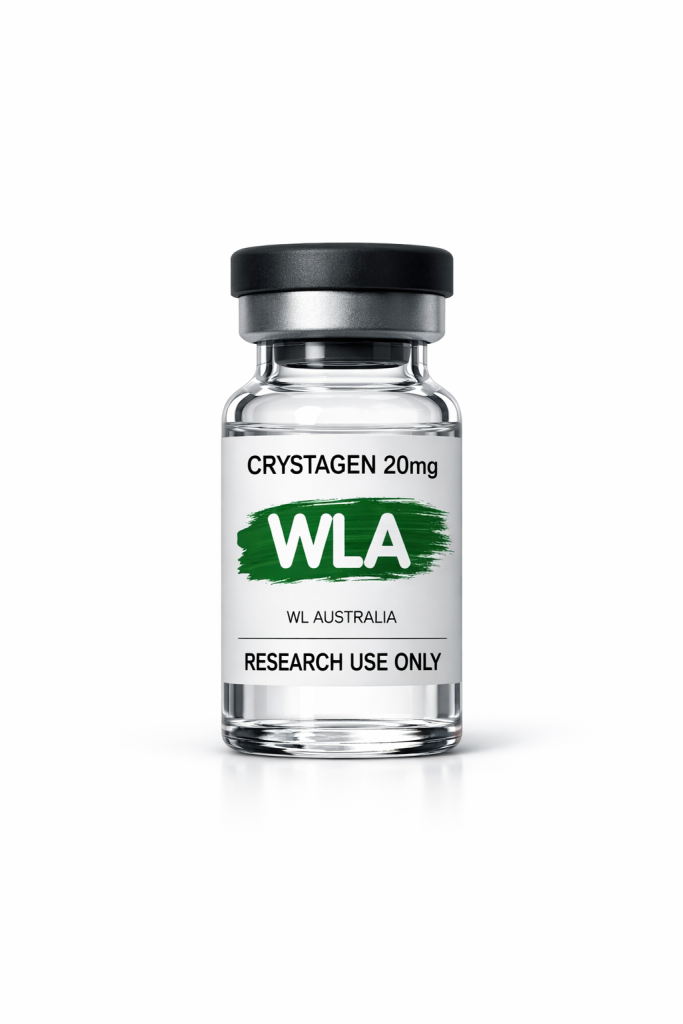
Why the thymus matters to your immune system
The problem: immune cells need training before they can defend you
Your body produces many immature immune cells in the bone marrow. But these cells are not ready for active duty immediately. They need to be tested and trained.
The thymus acts like a specialist academy.
Inside the thymus, immature cells develop into T-cells, a family of immune cells responsible for coordinating responses, identifying infected cells and helping the body remember previous threats. T-cells include:
- Helper T-cells, which coordinate immune activity
- Cytotoxic T-cells, which can destroy infected or abnormal cells
- Regulatory T-cells, which help prevent excessive immune reactions
During maturation, T-cells pass through several checkpoints. They learn the difference between “self” and “non-self”: in other words, between your own tissues and a potential invader.
This process is similar to training a security team. The team must learn not only who to stop, but also who belongs inside the building.
The proposed solution: support the immune training environment
The thymus does more than produce T-cells. It creates the biological environment that guides their development. Thymic epithelial cells, signalling molecules and other structures work together to shape the immune response.
That is why thymus-focused bioregulators attract interest. The theory is that specific short peptides may act like maintenance instructions, supporting the communication involved in immune-cell development.
The key idea is precision: not indiscriminate stimulation.

Why the thymus shrinks with age
The problem: the immune academy becomes smaller over time
The thymus is most active during childhood and adolescence. After puberty, it gradually undergoes involution, meaning it shrinks and becomes less active. Functional thymic tissue is progressively replaced by fatty tissue.
This does not mean the immune system stops working. Adults still maintain T-cells through peripheral survival and reproduction. However, reduced thymic activity may affect the supply and diversity of newly trained, or “naïve”, T-cells.
Think of it like a sports club with fewer new recruits entering each year. The existing team may continue to perform, but the organisation has less opportunity to refresh its squad and expand its range of skills.
Age-related thymus changes are linked with immunosenescence, the gradual alteration of immune function that occurs with ageing. Stress, illness, poor sleep, nutritional deficiencies and some medical treatments may place additional demands on the immune system.
The proposed solution: investigate thymic support as part of a wider strategy
Thymus-focused peptides are being researched because they may influence immune-cell communication and cellular regulation. But you should keep the evidence in perspective.
Current mainstream research into thymic ageing also examines approaches such as hormones, cytokines, growth factors, nutrition, exercise and cell-based therapies. Crystagen, Vilon and Thymogen are not established treatments for reversing thymic involution, and they are not approved medicines for this purpose in Australia.
