The Science of Solvents: Bac Water vs. Sterile Water
Before we grab the syringes, let’s talk about the liquid. You might see “Sterile Water” and “Bacteriostatic Water” (Bac Water) and think they’re interchangeable. They aren’t.
Sterile Water is exactly what it sounds like: pure, H2O that has been sterilized. It’s great for single-use applications. However, the second you puncture that vial with a needle, you’ve introduced the potential for microbial life to enter. Without a preservative, that vial becomes a breeding ground within 24 hours.
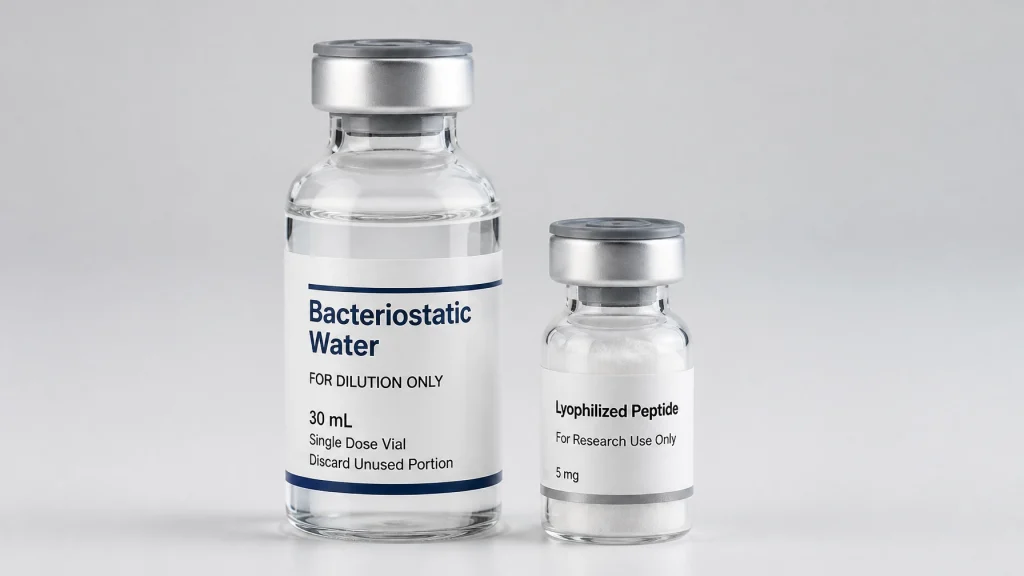
Bacteriostatic Water, on the other hand, contains 0.9% benzyl alcohol. This tiny addition is a game-changer for research peptides for weight loss. The benzyl alcohol acts as a mild preservative that inhibits the growth of bacteria, allowing your reconstituted peptide to remain stable and safe for multi-dose use over several weeks when stored correctly.
At WeightLossChems, we always recommend using high-quality Bac Water to ensure the integrity of your research remains uncompromised.
Essential Supplies: The Researcher’s Toolkit
You wouldn’t try to build a high-performance engine without the right tools, and the same goes for metabolic pathways. To correctly reconstitute your Ret or Tirz vials, you’ll need a clean, organized workspace and the following supplies:
- The Peptide Vial: Usually 5mg, 10mg, or even our high-strength 50mg options.
- Bacteriostatic Water: The solvent.
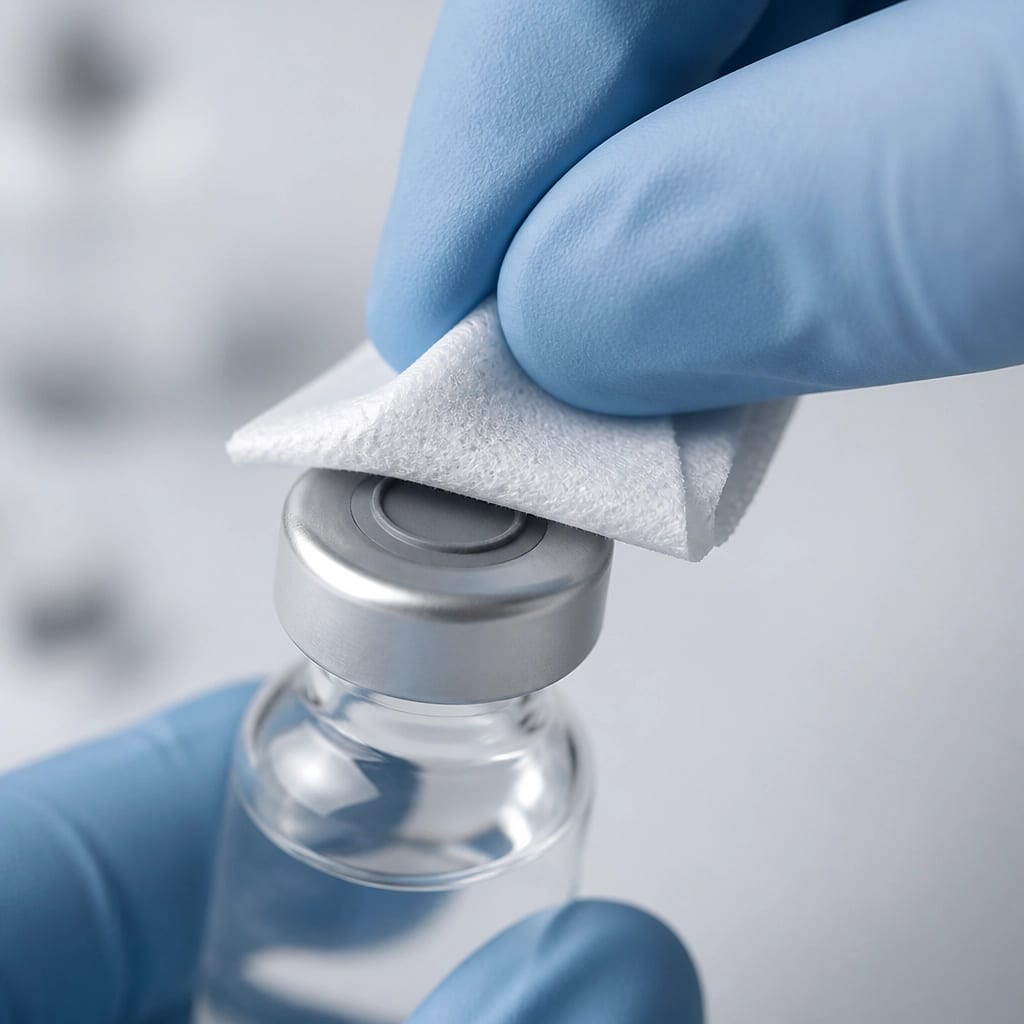
- Alcohol Prep Pads: For ensuring a sterile entry point.
- Reconstitution Syringe: Typically a 3ml syringe for drawing the Bac Water.
- Insulin Syringes: For final administration (once the solution is mixed).
- The WeightLossChems Peptide Calculator: To bypass the “math headache” and ensure your concentration is spot on.