The Problem: Cellular Wear and Tear
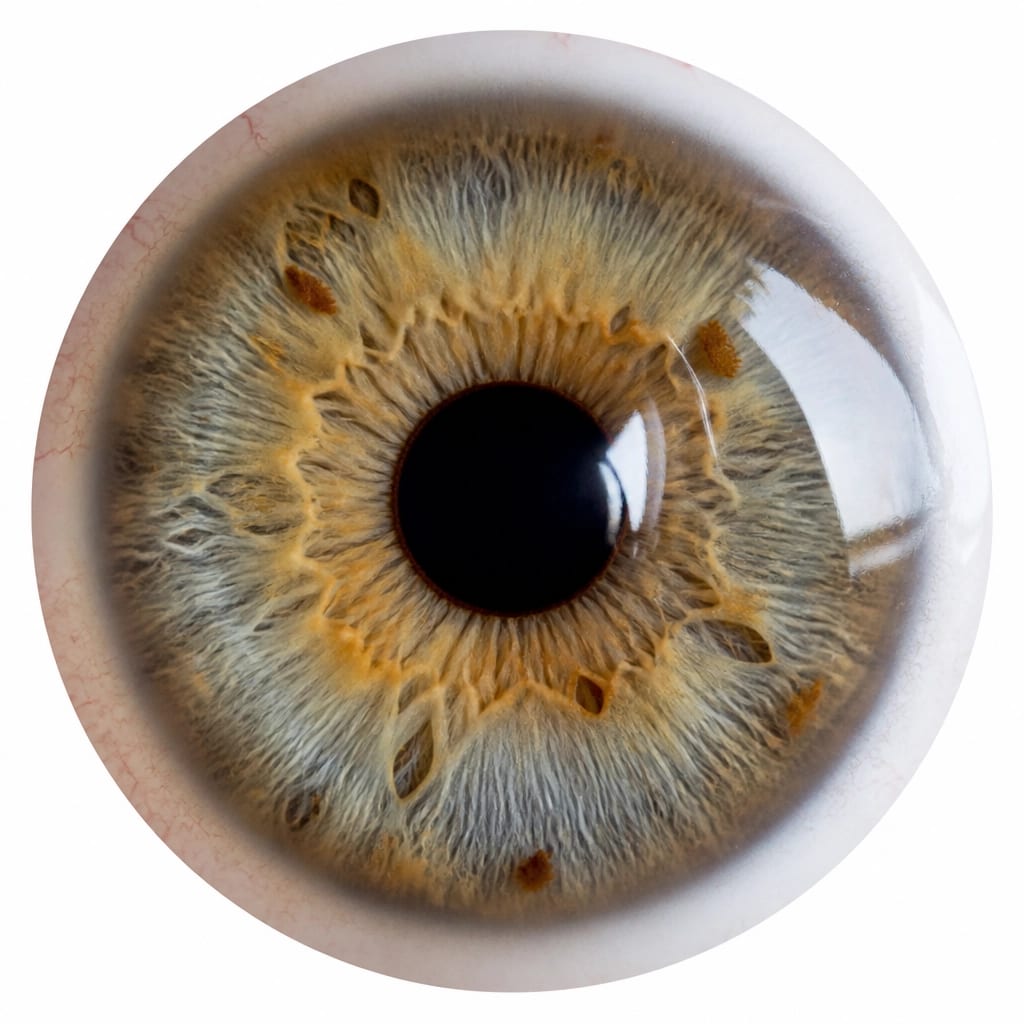
As you age, your cells lose their ability to communicate effectively. Think of your retina as a busy construction site where the workers have lost their blueprints. Without clear instructions, the repair work stops. Debris (oxidative stress) builds up, and the structural integrity of the tissue begins to fail.
Traditional medicine often focuses on managing the symptoms of this decline. But for those with an open mind to alternative, peptide-based interventions, the goal is different: regeneration. You are not just looking to “cope” with aging; you are looking to provide your body with the instructions it needs to fix itself.
What is Retilanamin?
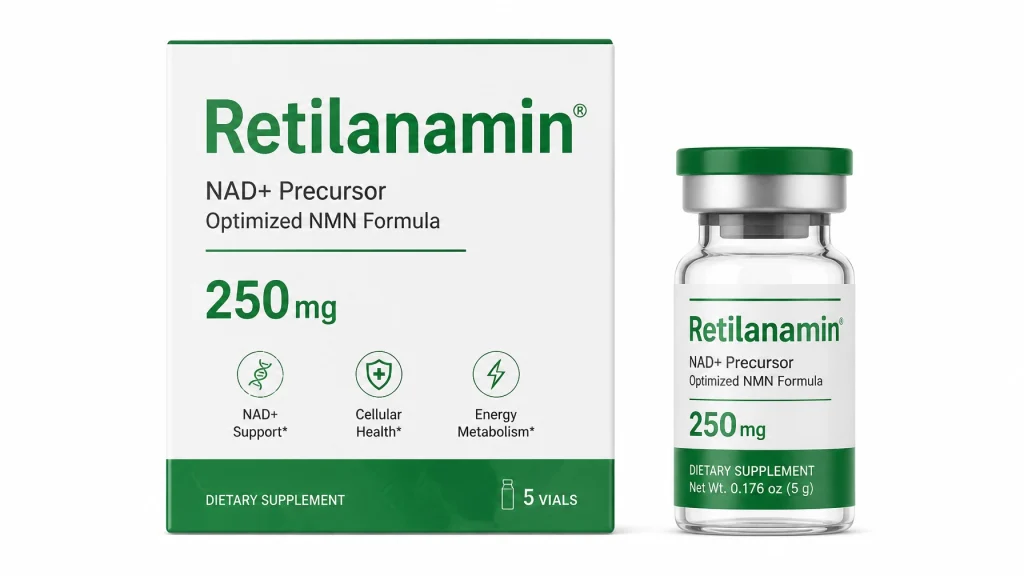
Retilanamin (often researched as Retinalamin) is a bioregulator peptide. Unlike traditional supplements that might provide raw materials (like Vitamin A or Lutein), a bioregulator acts as a signal.
Consider this analogy: If Vitamin A is the “brick” used to build a wall, Retilanamin is the foreman who tells the workers exactly where to place those bricks. It is a short-chain peptide complex derived specifically to interact with retinal tissue. Its primary role is to trigger tissue-specific protein synthesis.
The Foundational Concept: Tissue-Specific Repair
Every organ in your body has a unique “frequency” or set of instructions. Retilanamin is “tuned” specifically to the retina and the optic nerve. When introduced into the system, it seeks out these specific tissues to initiate a renewal cycle.