1. The Problem: The “Metabolic Ceiling”
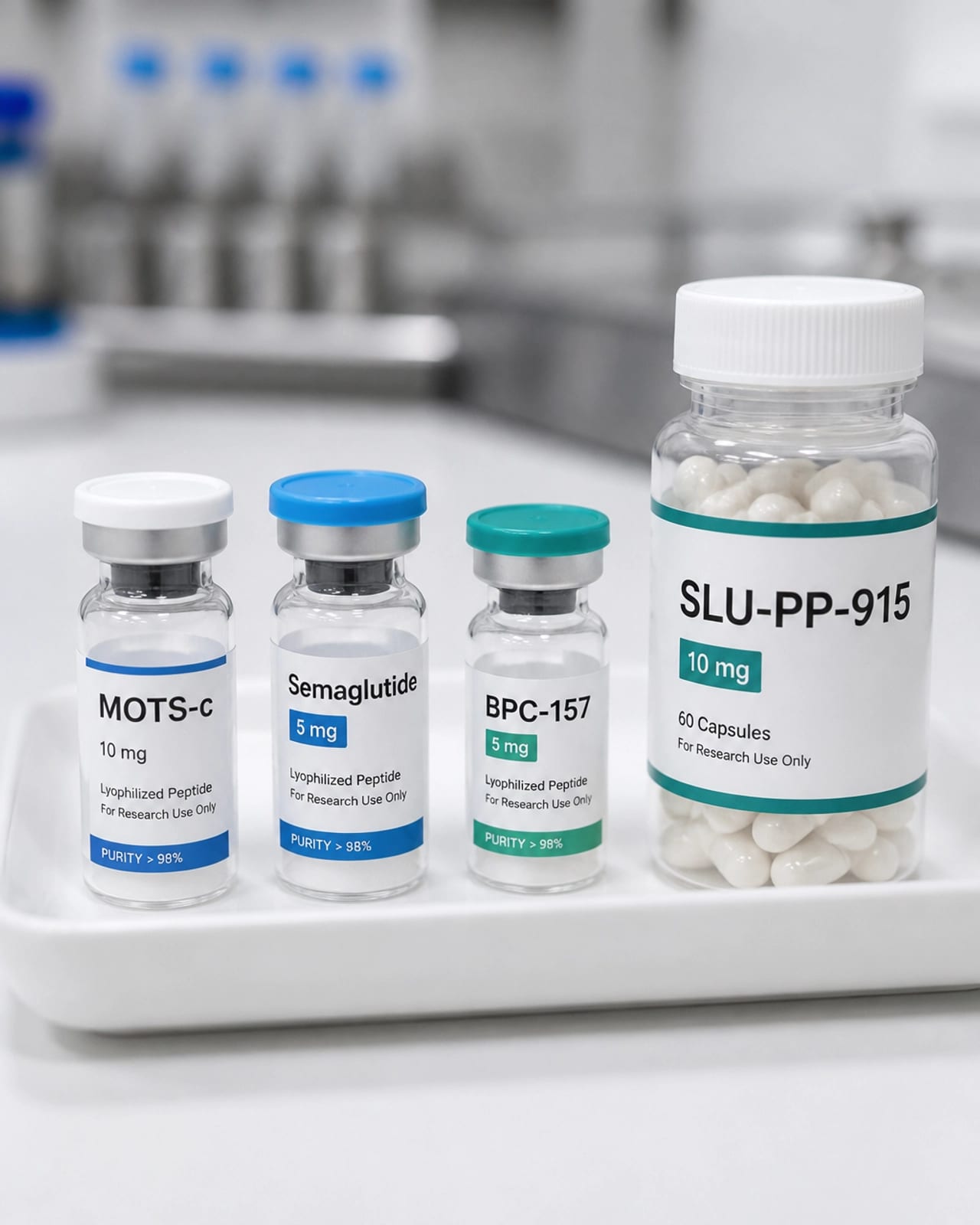
Many people starting a weight loss or performance journey eventually hit a wall. You might be using a GLP-1 agonist like Semaglutide or Tirzepatide to control your appetite, but as the weight drops, so does your resting metabolic rate. Your body becomes “efficient” at doing less, leaving you feeling fatigued and stuck at a plateau.
The Solution: Synergy.
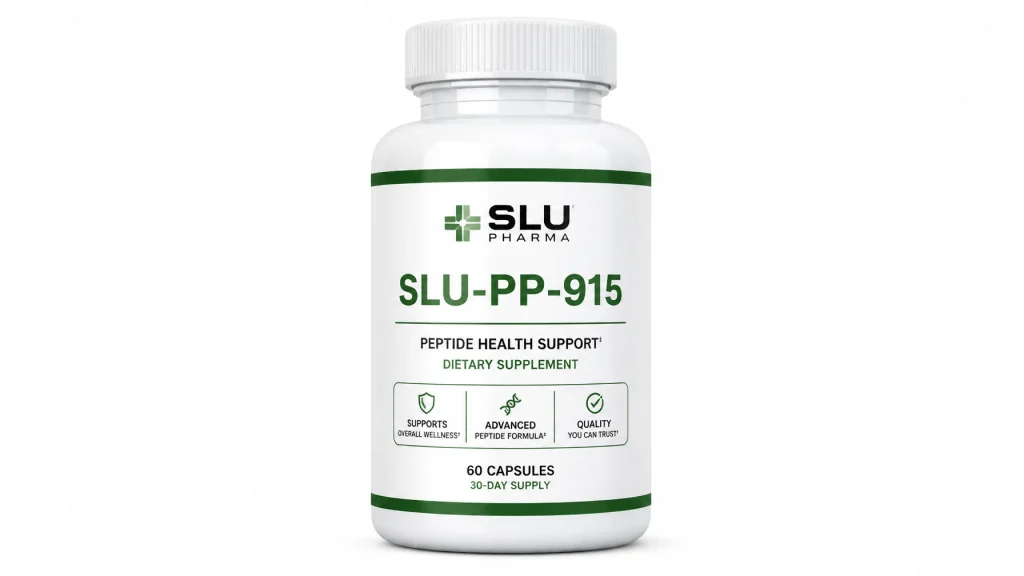
By combining appetite control with SLU-PP-915, you address both sides of the energy equation. While GLP-1s manage the “fuel intake,” SLU-PP-915 upgrades the “fuel burning” capacity of your cells. This combination prevents the metabolic slowdown often associated with calorie restriction.
[Insert Video: How SLU-PP-915 Works at a Cellular Level]
2. The Foundation: The GLP-1 Anchor
Before you add advanced metabolic activators, you must establish a solid foundation. In the world of performance stacking, this is known as your Anchor. For most users in the 20 to 60 age bracket, the most effective anchor is a GLP-1 receptor agonist.
Why GLP-1s and SLU-PP-915 are High-Synergy
- GLP-1s (The Fuel Governor): Compounds like Semaglutide and Tirzepatide reduce hunger, improve insulin sensitivity, and slow gastric emptying. They ensure you aren’t overfilling the “gas tank.”
- SLU-PP-915 (The Mitochondrial Engine): As an ERR pan-agonist, it upregulates the genes responsible for mitochondrial biogenesis and fat oxidation. It ensures the “engine” is burning through fuel as efficiently as possible.
Strategy: You should be stable on your GLP-1 protocol for at least 8–12 weeks before introducing SLU-PP-915. This allows you to differentiate between the effects of each compound and manage any initial side effects like nausea or fatigue.