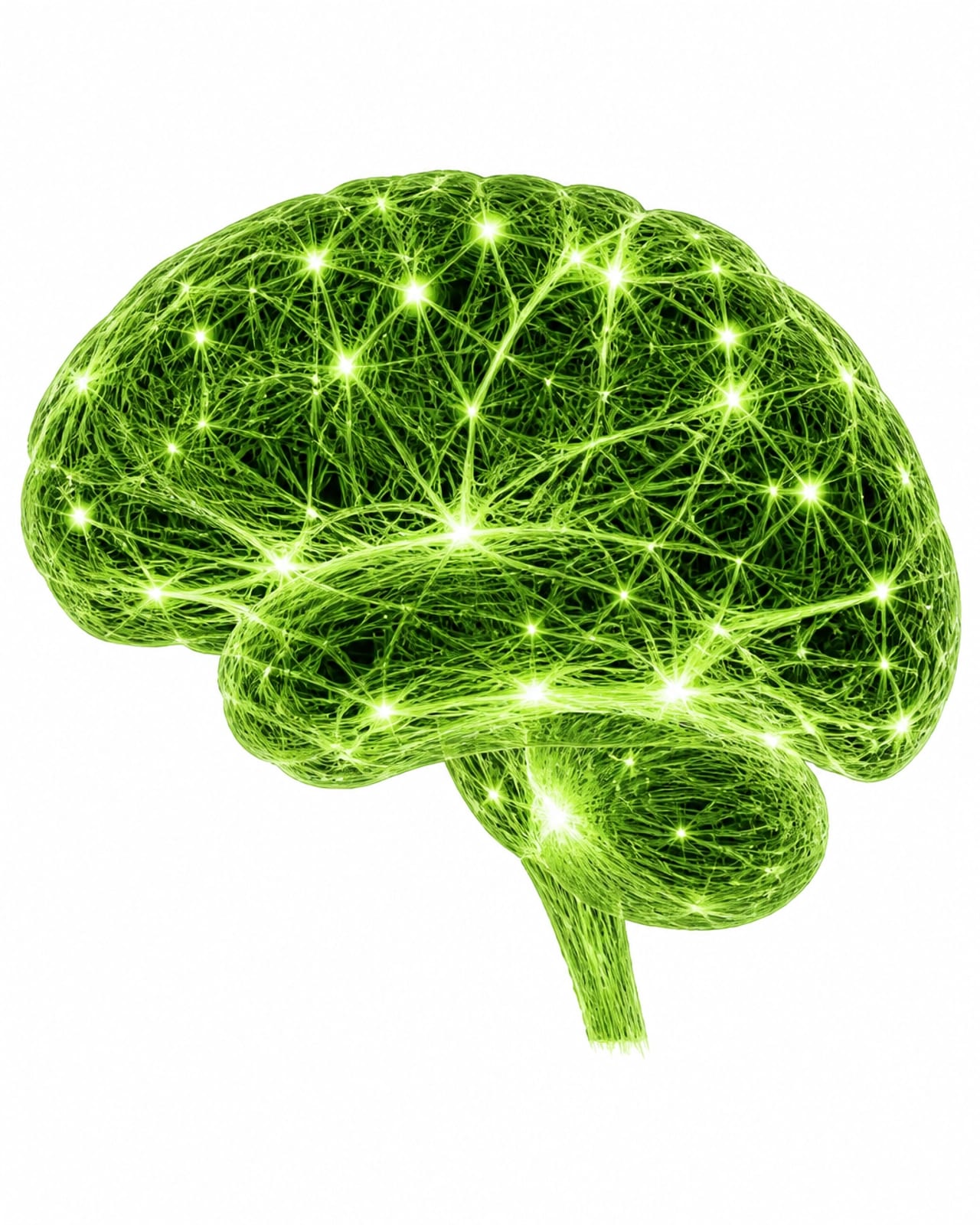
What is Sunifiram? The Blueprint of a Powerhouse
Sunifiram (also known as DM-235) is a piperazine-derived nootropic. While it shares some structural similarities to the Racetam family (like Piracetam), it is significantly more potent, often cited as being up to 1,000 times more powerful in its cognitive-enhancing effects.
Think of traditional nootropics as manual tools; Sunifiram is the power-tool equivalent. It was originally researched for its potential to treat severe neurodegenerative conditions such as Alzheimer’s disease. Today, it is utilized by the biohacking community as a “research chemical” aimed at pushing the boundaries of human focus and memory retention.
[INSERT VIDEO PLACEHOLDER: What is Sunifiram? A 2-Minute Overview]
How It Works: The Engine of Intelligence
To understand Sunifiram, you must understand Long-Term Potentiation (LTP). LTP is the process by which synaptic connections between neurons become stronger with frequent activation. This is the biological foundation of learning.
The Spark Plug: AMPA and NMDA Receptors
Your brain uses glutamate as its primary excitatory neurotransmitter. Consider glutamate the “electricity” that powers your thoughts. For this electricity to do work, it must plug into specific sockets: AMPA receptors and NMDA receptors.
- The AMPA Connection: Sunifiram acts as an AMPAkine. It enhances the activity of AMPA receptors, which are responsible for fast synaptic transmission. In our engine analogy, Sunifiram ensures that every time a spark is sent, the combustion is more efficient and powerful.
- The NMDA Glycine Site: Sunifiram also targets the glycine binding site of the NMDA receptor. This acts like a “zipper” that opens the door for calcium to enter the neuron, triggering the chemical cascade required for memory formation.
By modulating these two systems, Sunifiram promotes a state of heightened “neuroplasticity”, the brain’s ability to reorganize itself by forming new neural connections.