
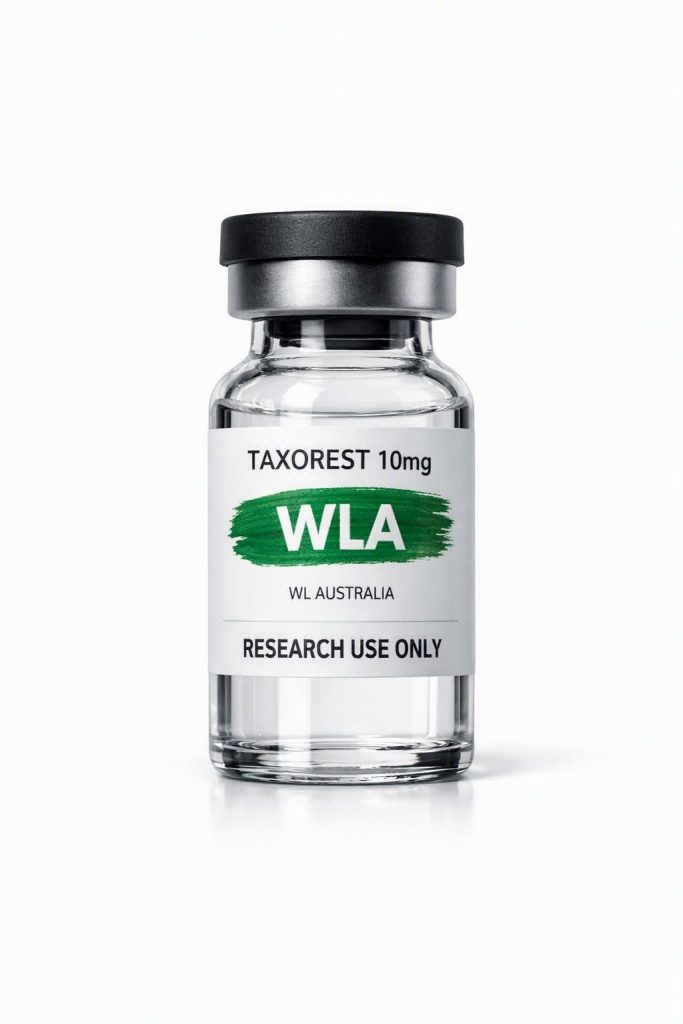
Unlocking Respiratory Resilience: The Role of Bioregulators
Are you tired of feeling breathless at the slightest exertion, or struggling with persistent coughs that linger long after a winter bug has passed? Just as a high-performance car engine requires clean air filters and precision tuning to maintain peak combustion efficiency, your respiratory system relies on delicate cellular architecture to exchange oxygen smoothly. Over time, environmental stressors, pollution, and natural aging can cause bronchial mucosal tissue to wear down: much like a construction site facing supply chain delays and structural fatigue.
You will learn how to take control of your pulmonary health through structured dosing and timing protocols using Taxorest 10mg, a targeted peptide bioregulator designed to support bronchial mucosa and respiratory tissue. By understanding the underlying biology and applying methodical protocols, you can unlock renewed vitality and optimize your breathing efficiency.
The Biological Challenge: Why Respiratory Tissues Degrade
The primary frustration for individuals experiencing chronic respiratory fatigue or post-illness coughs is the slow, inefficient repair rate of airway epithelia. When bronchial mucosal cells undergo constant irritation from allergens, smoke, or pathogens, local metabolic pathways become sluggish. Cellular turnover slows down, and micro-inflammation compromises the delicate barrier needed for efficient gas exchange.

The Solution: Targeted Peptide Bioregulation
Think of Taxorest as a master blueprint dispatched directly to the construction crew inside your airways. Featuring the A-19 peptide complex: meticulously isolated from bronchial mucosal tissue: this bioregulator signals epithelial cells to restore homeostatic metabolic pathways, attenuate hyper-inflammatory responses, and accelerate tissue repair.
- Cellular Signalling: Direct interaction with respiratory epithelial cells.
- Metabolic Restoration: Normalizing intracellular protein synthesis and energy production.
- Tissue Integrity: Strengthening bronchial mucosal barriers against environmental stressors.
Key Principle: Optimization requires consistency. Just as a building is not reinforced overnight, peptide bioregulation relies on structured cycles to yield cumulative structural benefits.
