Understanding the GH-Axis: The Biological Engine
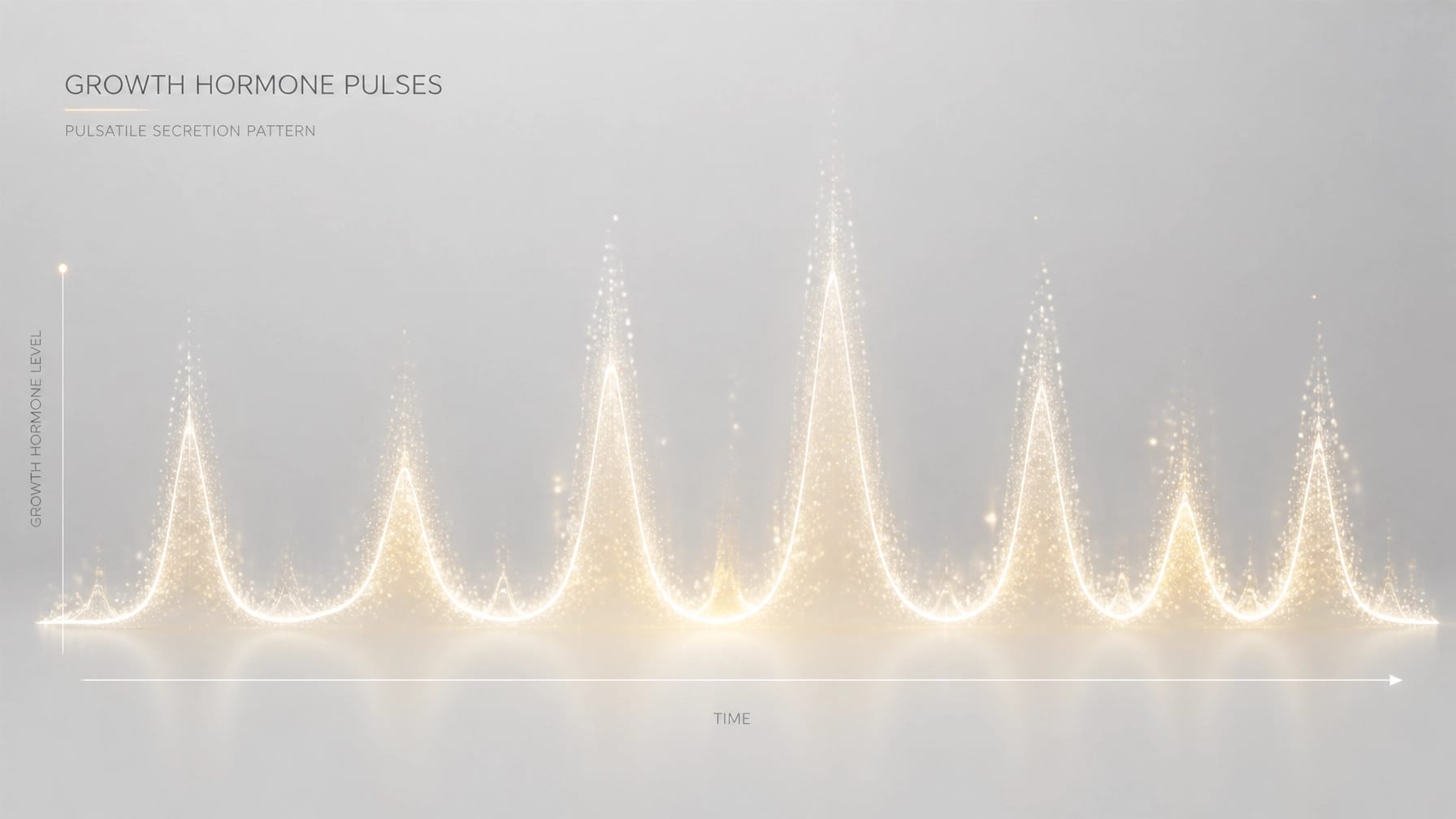
The Growth Hormone Axis is a tightly regulated feedback loop involving the hypothalamus and the pituitary gland. In a youthful, optimized state, the body releases Growth Hormone (GH) in rhythmic, pulsatile bursts: not a flat line. As we age, these pulses become shallower and less frequent, leading to what many call “somatopause”: characterized by increased abdominal fat, decreased muscle tone, and slower recovery.
To Combat this decline, researchers look at two distinct classes of peptides:
- GHRH (Growth Hormone Releasing Hormone) Analogs: Like CJC-1295.
- GHRP (Growth Hormone Releasing Peptides): Like Ipamorelin.
When used in isolation, they are effective. When stacked, they are transformative.
CJC-1295: The GHRH Anchor
CJC-1295 is a synthetic analog of the naturally occurring GHRH. Its primary role in research is to act as a “priming” agent for the pituitary gland. Think of it as the steady current that ensures the engine is always ready to fire.
By binding to the GHRH receptors on the anterior pituitary, CJC-1295 increases the production of GH and keeps the “pool” of available hormone topped up. What makes CJC-1295 particularly special: especially the No DAC (Drug Affinity Complex) version: is its ability to raise the baseline levels of GH while still respecting the body’s natural feedback mechanisms. It sets the stage for a metabolic environment where lipolysis (fat breakdown) is prioritized.