The Problem: When Peripheral Solutions Aren’t Enough
For many researchers, the biological need isn’t just a matter of “mechanical function.” Often, the issue lies in a lack of Des-ire or a disconnect in the neural pathways that signal motivation. Traditional phosphodiesterase type 5 (PDE5) inhibitors work by relaxing smooth muscle and increasing blood flow. They are “bottom-up” solutions.
However, if the C.N.S. isn’t sending the signal, increasing blood flow is like trying to start a car with no spark plugs. You have the fuel, but no ignition. This is where the scientific luxury of PT-141 comes into play. It provides the “spark” by acting as a triple-threat to low drive, targeting the very receptors that control our most primal instincts.
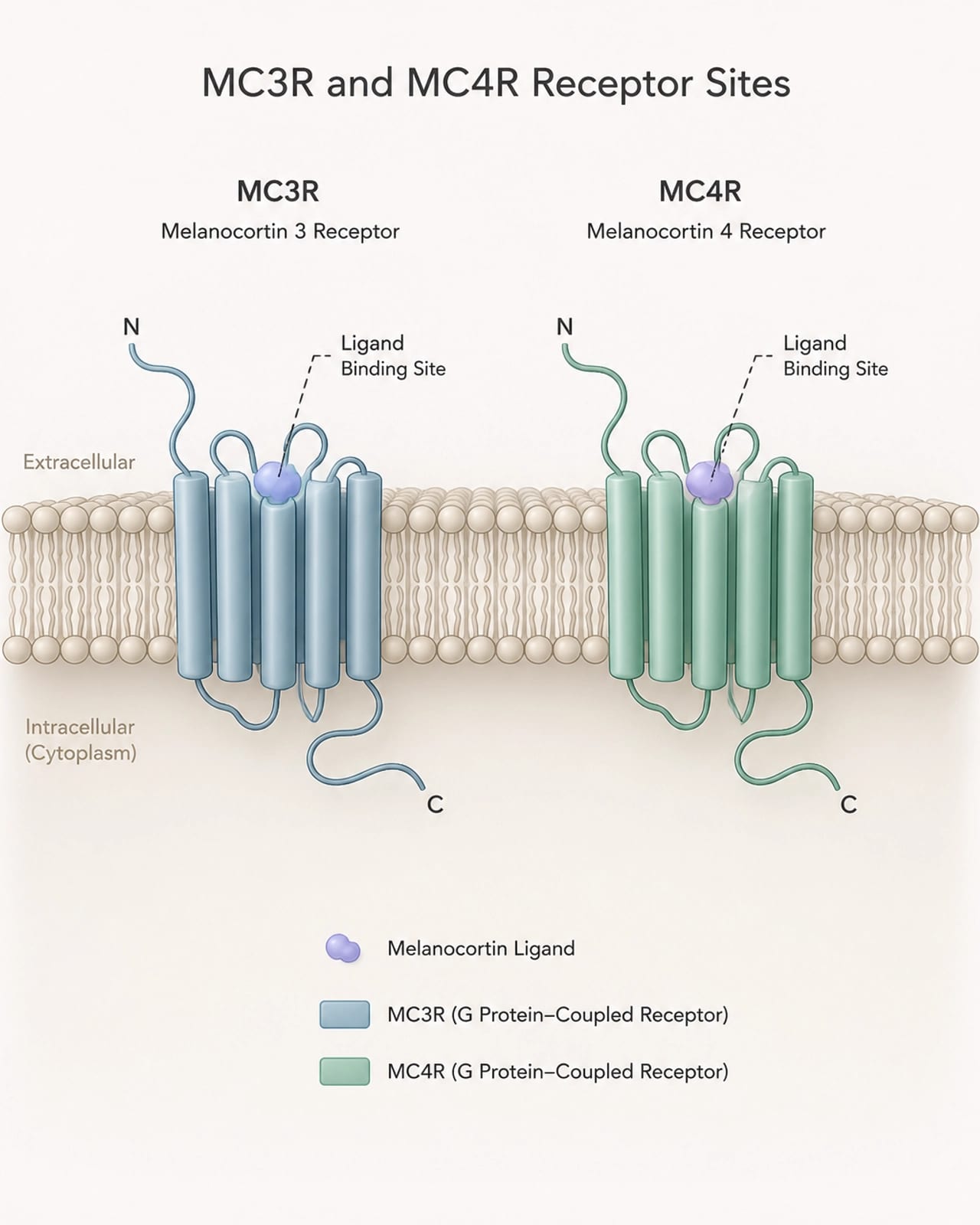
The Mechanism: MC3R and MC4R Receptors
The magic of PT-141 happens within the Melanocortin system. Specifically, it is a non-selective agonist of the melanocortin receptors, with a high affinity for the MC3R and MC4R subtypes located in the brain.
The Role of MC4R: The Primary Ignition
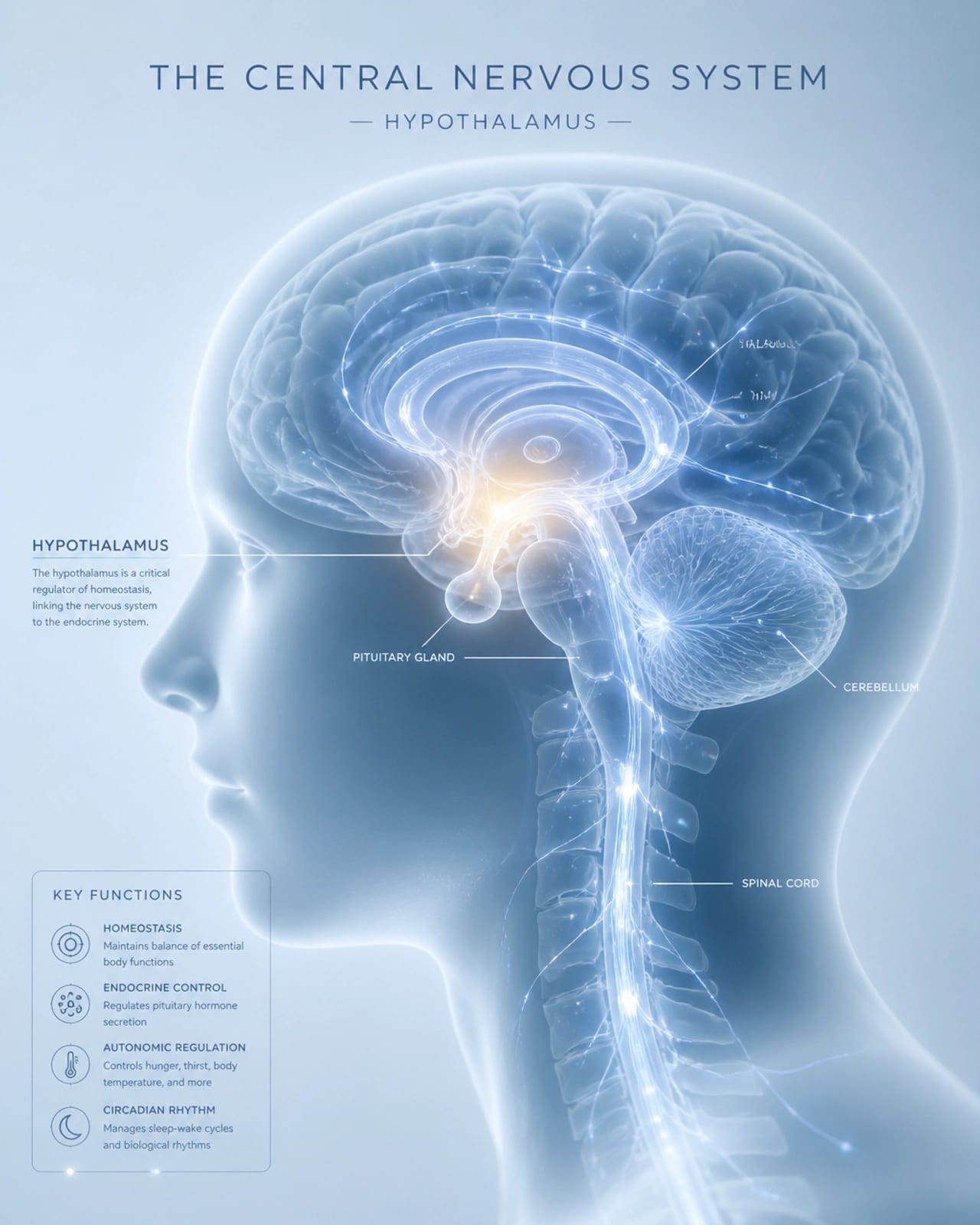
The MC4R (Melanocortin 4 Receptor) is the star of the show. These receptors are densely packed in the hypothalamus, particularly in the medial preoptic area (mPOA) and the paraventricular nucleus (PVN).
When PT-141 crosses the blood-brain barrier and binds to MC4R, it triggers a cascade of neural activity. Research shows that this activation leads to an increase in Dopamine release. Dopamine is the neurotransmitter of “wanting”: it is the chemical signal for reward, motivation, and Arouz-al. By stimulating these specific C.N.S. pathways, PT-141 Transforms the research subject’s internal environment, biasing the brain toward sexual excitation rather than inhibition.
The Role of MC3R: The Modulatory Brake
While MC4R provides the excitatory drive, the MC3R (Melanocortin 3 Receptor) plays a more complex, modulatory role. In the delicate balance of the hypothalamus, MC3R often acts as a regulator. Some research suggests that while MC4R is the “gas pedal” for arousal, MC3R can act as a subtle “brake” or a feedback loop to ensure the system doesn’t overfire. PT-141’s interaction with both receptors ensures a sophisticated, nuanced biological response that mimics the body’s natural rhythm.