
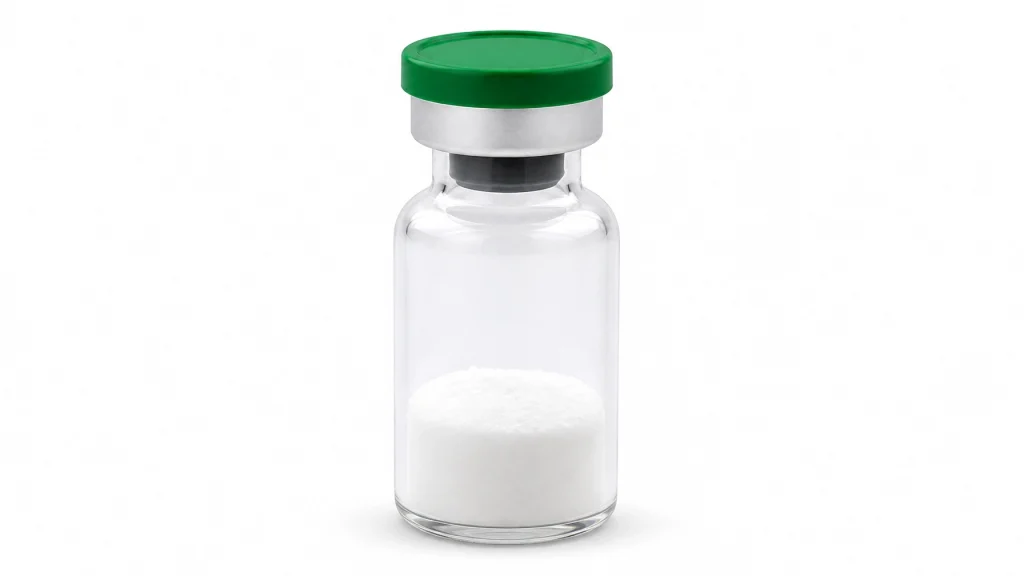
The “Lego” Foundation: Amino Acids and Electrical Charge
At its most basic level, a peptide is a chain of amino acids, much like a series of Lego bricks snapped together. However, unlike plastic bricks, these “biological Legos” have an electrical charge. Some are positively charged, some are negative, and some are neutral (the “wallflowers” of the molecular party).
The Problem: If you don’t account for these charges, your peptide may clump together (aggregate) because like-charges aren’t repelling each other enough to stay suspended in the water.
The Solution: You must ensure the environment (the pH of your liquid) encourages these charges to stay active.
- Positively Charged Residues: Think of these as the “North” end of a magnet.
- Negatively Charged Residues: The “South” end.
- Net Charge: This is the “sum” of all the pluses and minuses on your peptide chain.
When you reconstitute using quality supplies from our shop, you are trying to find the “sweet spot” where the net charge is strong enough to keep the molecules pushing away from each other, ensuring they stay dissolved and ready for work.
The Isoelectric Point (pI): Avoiding the “Dead Zone”
Every peptide has a specific pH level called the Isoelectric Point (pI). Think of this as the “Neutral Zone.”
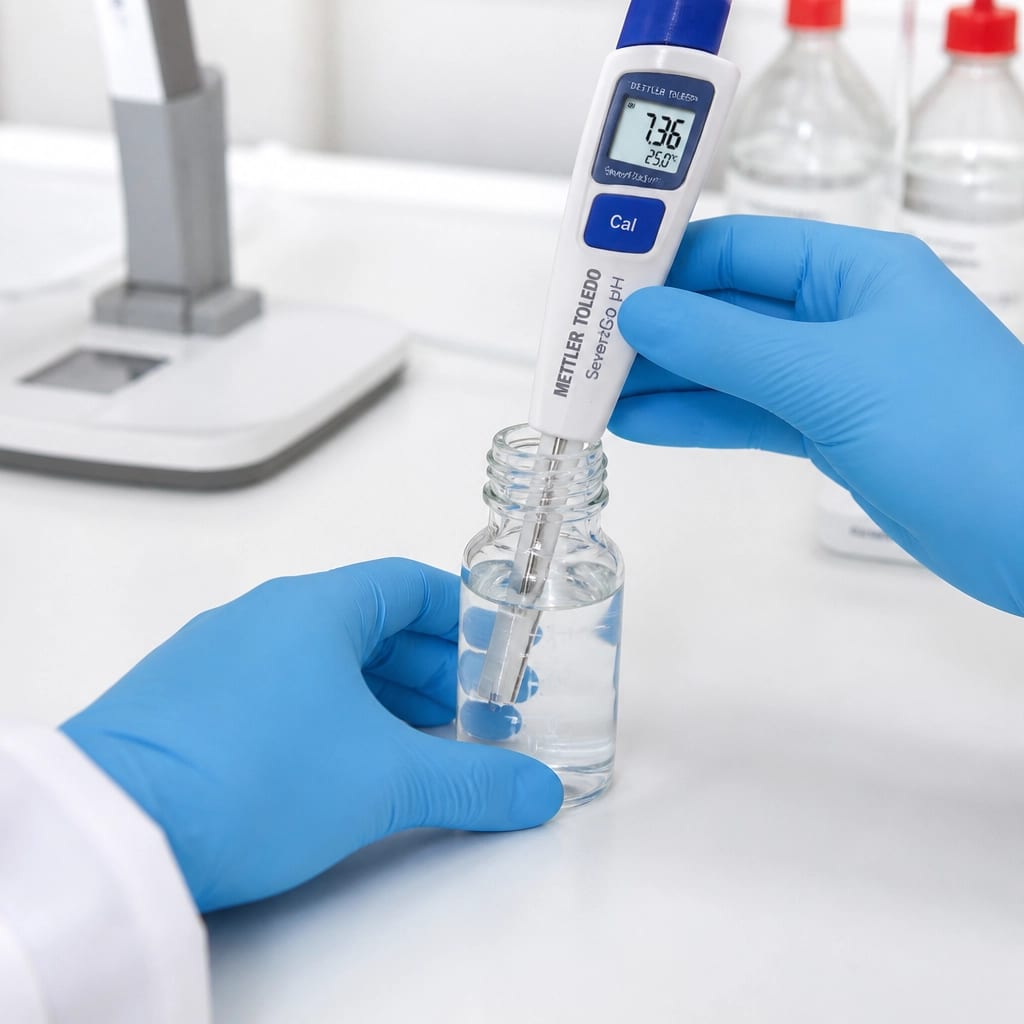
At the pI, the positive and negative charges on the peptide perfectly cancel each other out. The net charge becomes zero. Without a charge to push them apart, the peptide molecules “snuggle” together and fall out of the solution, creating a cloudy mess.
Focus on this rule: To keep your peptide soluble, you generally want your solvent’s pH to be at least 1.0 to 2.0 units away from the peptide’s pI.
- If your peptide’s pI is 5.0, you don’t want your liquid to be pH 5.0.
- Aim for a pH of 3.0–4.0 (acidic) or 7.0 (neutral/slightly basic) to keep the “electrical magnets” working.
