
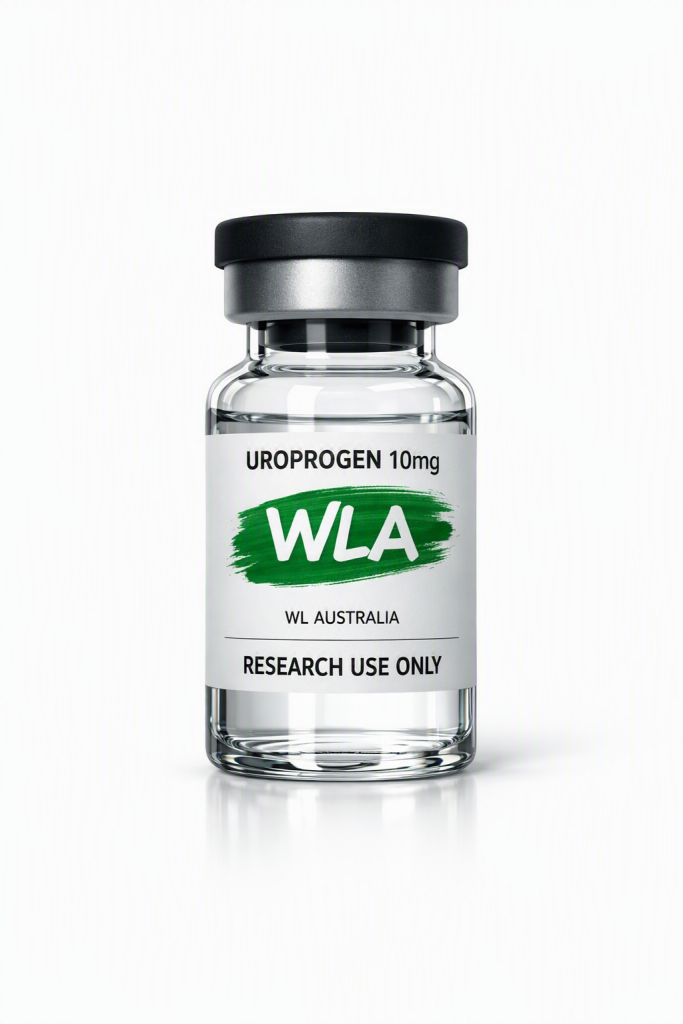
What is Uroprogen?
The frustration: urinary symptoms are often discussed as if they have one single cause.
The solution: look at the lower urinary tract as a connected system.
Your bladder, urethra, prostate, pelvic muscles, nerves and blood vessels work together like a coordinated plumbing and control network:
- The bladder stores urine.
- The detrusor muscle in the bladder wall contracts to push urine out.
- The urethra carries urine from the bladder.
- The prostate, in people who have one, surrounds part of the urethra and can influence flow.
- The pelvic floor acts like a support platform and pressure-control valve.
- The nervous system coordinates timing, sensation and muscle relaxation.
If one part becomes inflamed, enlarged, overactive or poorly coordinated, the rest of the system may have to compensate.
Uroprogen is marketed as a targeted urological bioregulator. In simple terms, a bioregulator is intended to influence local biological processes rather than act like a conventional broad-spectrum drug. The “Khavinson” reference relates to a family of short peptide preparations associated with organ-specific research.
However, Uroprogen-specific evidence is limited. There are no strong, independently replicated human clinical trials identified for Uroprogen by name. Therefore, you should treat its proposed applications as research questions, not established medical outcomes.

Video placeholder 1 : Insert explainer video: How the bladder, prostate and pelvic floor work together.
How bladder and urinary function work
The frustration: urgency and frequency can seem like a bladder problem only.
The solution: understand the “traffic control” system behind urination.
A healthy bladder gradually fills and sends signals to the brain when it is ready to empty. The brain then coordinates two actions: the bladder muscle contracts while the urinary outlet relaxes. Think of it like a zipper. The bladder provides the pressure, while the outlet must open at the right time. If the timing is poor, you may experience urgency, hesitancy, dribbling or incomplete emptying.
Several factors can affect this system:
- Prostate enlargement: benign prostatic hyperplasia, or BPH, can narrow the urethral passage.
- Inflammation: irritation in the prostate, bladder or pelvic tissues may increase sensitivity.
- Nerve signalling: diabetes, spinal conditions and some medications can alter bladder control.
- Pelvic-floor tension: muscles that remain contracted may make emptying more difficult.
- Lifestyle factors: caffeine, alcohol, dehydration and constipation can influence urinary symptoms.
Uroprogen’s product description positions it around normal prostate tissue structure, urinary function and pelvic inflammation. These are plausible areas for investigation, but the product description does not establish that Uroprogen can diagnose, prevent or treat BPH, prostatitis, urinary tract infection or bladder disease.
Short summary: urinary symptoms are signals from a system. They are not a diagnosis.
