
Blog

Latest insights on peptide research and protocols

September 26, 2026

PACAP-27: The Neuroprotective Peptide for Migraine and Neuronal Survival Research

PACAP-27, short for Pituitary Adenylate Cyclase-Activating Polypeptide, 27-amino-acid form, is a neuropeptide with an unusually broad research footprint. It has been studied in neuronal survival, neuroprotection, migraine pathways, stress regulation, gut signalling and endocrine secretion. That breadth is also the challenge. PACAP-27 is not a simple “good” or “bad” molecule. Think of it as a […]

September 26, 2026

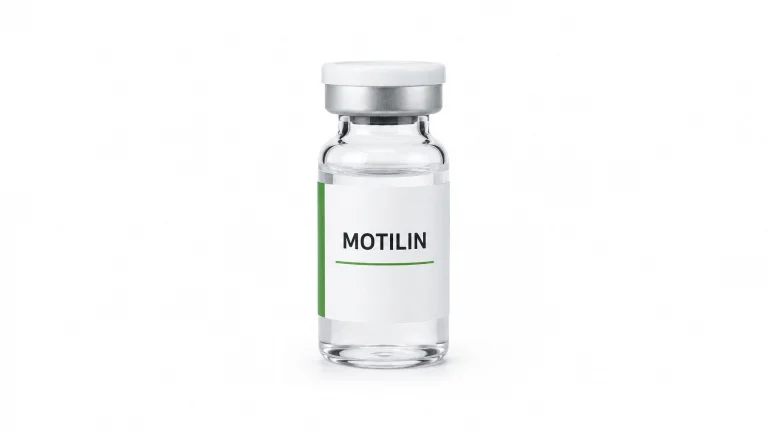
Motilin: The Gut Hormone Driving Digestive Motility Research

Your digestive system is not simply a passive tube. It is an organised transport network, using carefully timed contractions to mix food, absorb nutrients and move waste forward. One of the hormones involved in this timing system is motilin. A naturally occurring, 22-amino-acid peptide hormone produced mainly in the upper small intestine. Researchers study motilin […]

September 26, 2026

Ghrelin and the GHS-R1a Receptor: Acylated vs Unacylated Ghrelin in Growth Hormone Research

Ghrelin is often called the “hunger hormone”, but that description only covers one part of its biology. In growth hormone research, ghrelin is especially important because it was identified as the body’s natural ligand for the growth hormone secretagogue receptor type 1a (GHS-R1a). This receptor acts like a biological switch. When activated by the correct […]

September 26, 2026

Secretin: The Original Gut Hormone and Its Unexpected Brain Research

Secretin is a 27-amino-acid peptide hormone best known for helping your digestive system handle stomach acid. It is also historically important: its discovery in 1902 helped scientists define the very idea of a hormone. A chemical messenger that travels through the body to coordinate distant organs. Today, secretin remains a useful model for understanding the […]

September 26, 2026

Apelin-13: The APJ Receptor Peptide for Cardiovascular and Metabolic Research

Apelin-13 is a short, naturally occurring peptide attracting interest across cardiovascular, metabolic, fluid-balance and neuroscience research. It contains 13 amino acids and is widely described as one of the most potent and biologically active forms of the apelin family. The key point is simple: Apelin-13 is a signalling molecule, not a conventional nutrient. It acts […]

September 26, 2026

Klamin: The Klamath Algae Extract Studied for Mood, Antioxidant and Neuroprotective Effects

When you hear “Klamin,” it is easy to assume you are looking at another peptide or synthetic nootropic. You are not. Klamin is an algae-derived nutraceutical extract made from Aphanizomenon flos-aquae (AFA), a blue-green microalga associated with Upper Klamath Lake in Oregon, United States. The extract is also referred to in some literature and commercial […]

September 26, 2026

Neuropeptide Y: The Appetite and Stress Peptide at the Centre of Metabolic Research

Neuropeptide Y (NPY) is a 36-amino-acid signalling peptide found throughout the mammalian nervous system. It is one of the most abundant neuropeptides in the brain and is also active in peripheral tissues such as blood vessels, the heart, the gastrointestinal tract and adipose tissue. You can think of NPY as part of the body’s internal […]

September 26, 2026

Neuropeptide S: The Arousal and Wakefulness Peptide for Anxiety and Cognition Research

You can think of Neuropeptide S (NPS) as a biological “alertness messenger” being studied for its unusual ability to increase wakefulness while also reducing anxiety-like behaviours in some animal models. That combination makes NPS different from a traditional stimulant. A stimulant may increase alertness but also make some people feel tense or restless. NPS research […]

September 26, 2026

Neuropeptide W: The Emerging Peptide for Feeding, Stress and Neuroendocrine Research

Your appetite, stress response, pain sensitivity and hormone signals are not controlled by separate systems working in isolation. They behave more like departments in the same control room, constantly exchanging information. Neuropeptide W (NPW) is an emerging research peptide that may help explain how those departments communicate. Early studies link NPW with feeding behaviour, energy […]

September 26, 2026

Neuropeptide FF: The RF-Amide Peptide Modulating Pain and Opioid Responses

Neuropeptide FF (NPFF) is a small amidated octapeptide attracting attention in pain and neuropharmacology research. It belongs to the RF-amide peptide family, a group named for a shared chemical feature at the end of the molecule: an arginine–phenylalanine sequence followed by an amide group. That ending works like a biological “address label”. It helps the […]